Introduction: Why Website Design Matters in Today’s Digital World
In today’s digital-first economy, a website is no longer optional—it is the foundation of your online presence. Whether you are a startup in India, a small business targeting local customers, or a global enterprise serving international markets, professional website design plays a critical role in building credibility, attracting traffic, and converting visitors into customers.
Website design is more than just visual appearance. It is a strategic combination of layout, usability, performance, SEO, security, branding, and content structure that together determine how effective your website is in achieving business goals.
This guide explains what website design is, its essential components, and how businesses in India and worldwide can benefit from modern, SEO-optimized website design.
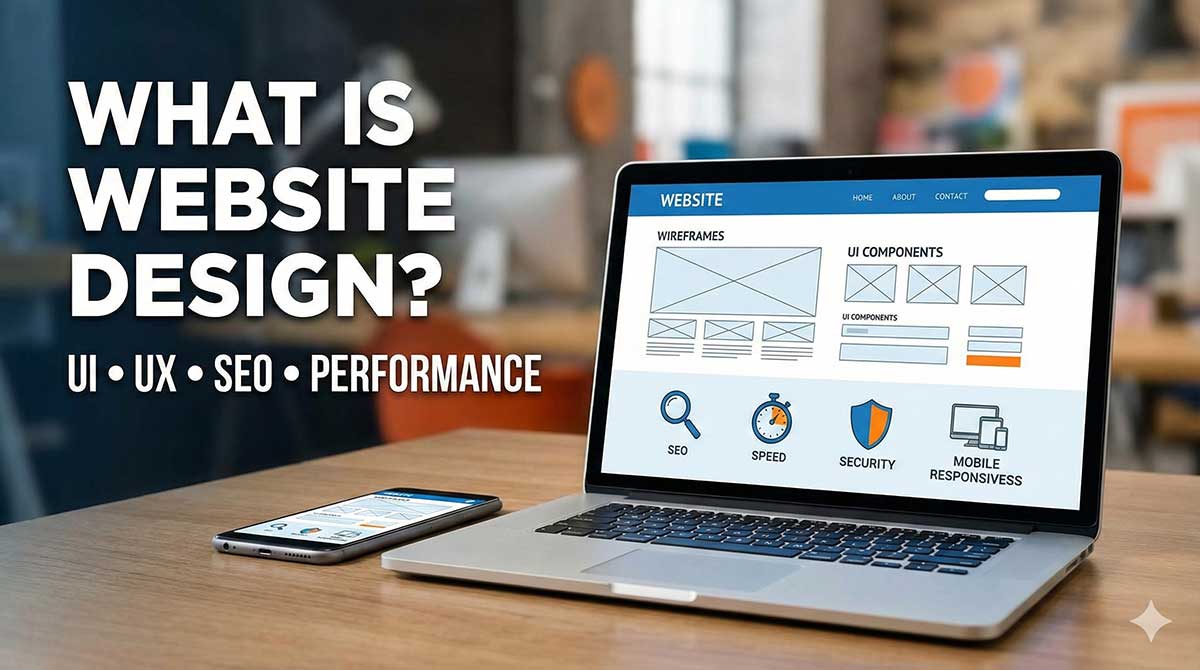
What Is Website Design?
Website design is the process of planning, creating, structuring, and maintaining a website’s visual presentation and functional experience. It involves designing layouts, selecting colors and fonts, organizing content, and ensuring smooth interaction across all devices.
A well-designed website:
- Enhances brand identity
- Improves user experience (UX)
- Supports search engine optimization (SEO)
- Loads fast and performs reliably
- Converts visitors into leads or customers
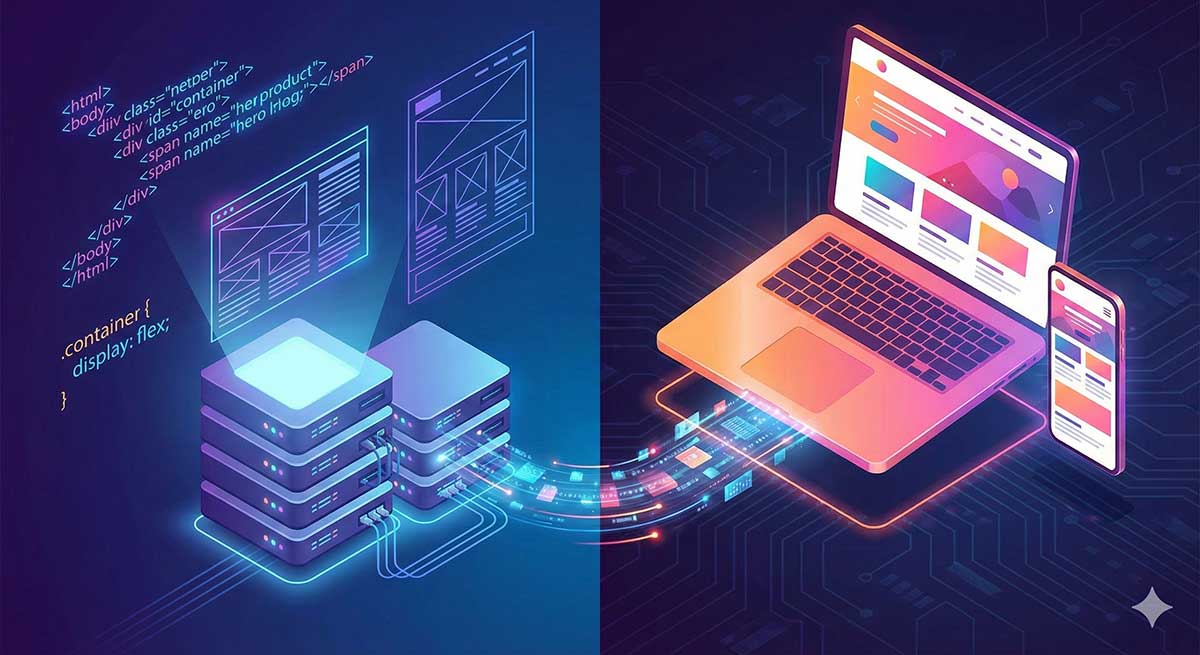
Website design works closely with website development, which handles coding, databases, and server-side functionality.
Key Elements of Professional Website Design
1. Website Planning & Information Architecture
Every successful website starts with proper planning. This includes:
- Defining business objectives
- Understanding the target audience
- Competitor analysis (local & global)
- Creating sitemap and wireframes
- Defining content structure
For Indian businesses targeting local cities (Kolkata, Delhi, Mumbai, Bengaluru) or global markets (USA, UK, UAE, Australia), planning ensures content and design align with audience intent.
2. Responsive Web Design (Mobile, Tablet & Desktop)
Responsive web design ensures that a website adapts automatically to:
- Smartphones
- Tablets
- Laptops
- Large desktop screens
Google prioritizes mobile-friendly websites, making responsive design essential for SEO rankings in India and globally. With most users accessing websites via mobile, responsiveness directly affects traffic, engagement, and conversions.
3. UI & UX Design (User Interface & User Experience)
UI Design focuses on:
- Visual layout
- Color schemes
- Typography
- Buttons and icons
- Branding consistency
UX Design focuses on:
- Easy navigation
- Clear user journeys
- Faster task completion
- Reduced bounce rates
Strong UI/UX design improves customer satisfaction and trust, especially for eCommerce websites, service providers, and corporate websites.
4. SEO-Friendly Website Design
An SEO-friendly website design is built to help search engines understand and rank your content. Key SEO design practices include:
- Clean HTML structure
- Proper heading hierarchy (H1–H6)
- Optimized URLs
- Fast page load speed
- Mobile-first design
- Schema markup
- Internal linking
For local SEO in India, design must support:
- Google Business Profile integration
- Location-specific landing pages
- Local keywords (city, state, country)
5. High-Quality Content Integration
Content is the backbone of website design. This includes:
- SEO-optimized text
- Blog articles
- Images and videos
- Infographics
- Call-to-action elements
Content should be informative, keyword-rich, and structured for readability. Websites targeting global audiences should also consider multilingual content and region-specific messaging.
6. Website Navigation & Usability
Clear navigation helps users find information quickly and improves SEO crawlability. Best practices include:
- Simple menus
- Logical page hierarchy
- Breadcrumb navigation
- Internal linking
- Footer navigation
Good navigation improves user retention and reduces bounce rates.
7. Website Speed & Performance Optimization
Website performance directly impacts SEO and user experience. Optimization techniques include:
- Image compression
- Browser caching
- Minified CSS and JavaScript
- Content Delivery Networks (CDN)
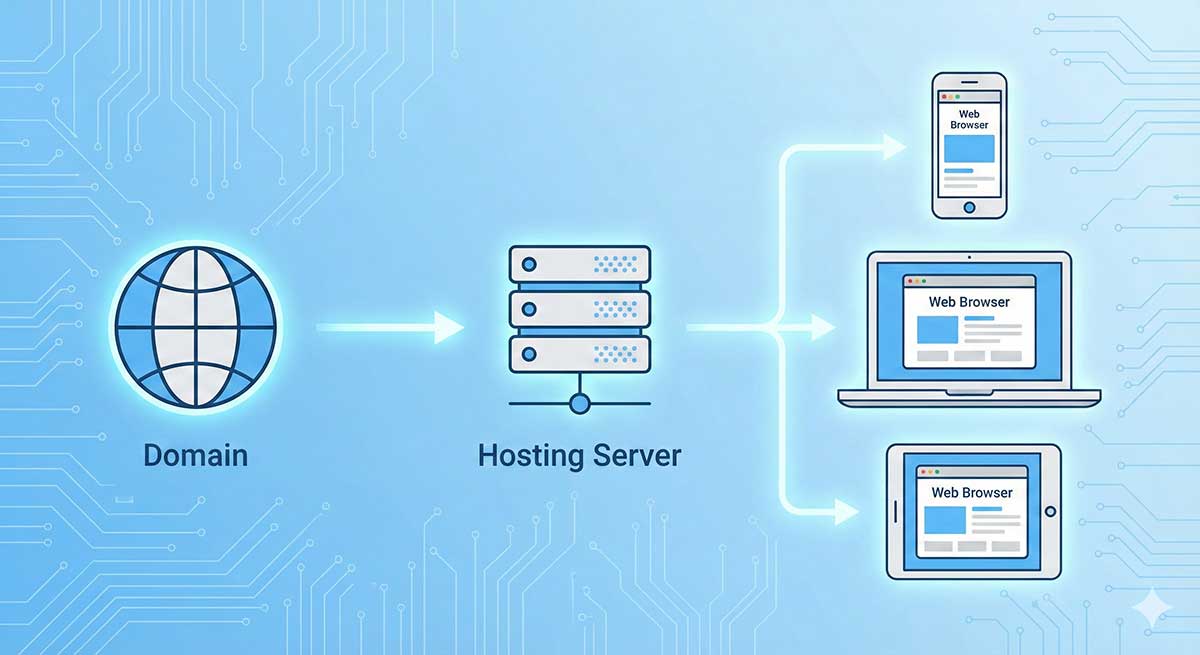
- Reliable hosting (Shared, VPS, Cloud)
Fast websites rank higher on Google and deliver better experiences to users across India and worldwide.
8. Website Security & Data Protection
Security is a critical part of modern website design. A secure website includes:
- SSL (HTTPS)
- Secure hosting environment
- Regular updates
- Malware protection
- Firewall and authentication systems
Security builds trust, protects user data, and helps comply with regulations like GDPR, CCPA, and Indian IT laws.
9. Accessibility & Inclusive Design
Accessible website design ensures usability for people with disabilities. Accessibility practices include:
- Alt text for images
- Keyboard navigation
- Readable fonts and contrast
- Screen-reader compatibility
Accessible websites reach a broader audience and improve compliance and SEO.
10. Mobile-First Website Design Approach
Mobile-first design means designing for mobile users first and scaling up for desktops. This approach improves:
- Mobile usability
- Page speed
- Search engine rankings
- Conversion rates
With increasing mobile users in India and emerging markets, mobile-first design is essential.
11. Branding & Visual Consistency
Website design should reflect brand identity through:
- Logo placement
- Brand colors
- Typography
- Visual storytelling
Consistent branding improves recognition and trust across digital platforms.
12. Testing, Maintenance & Continuous Improvement
Website design is not a one-time task. Continuous testing ensures:
- Browser compatibility
- Device responsiveness
- Performance optimization
- Security updates
Ongoing maintenance helps websites stay competitive and relevant.
Website Design Tools & Technologies
Popular website design and prototyping tools include:
- Figma
- Adobe XD
- Sketch
CMS platforms:
- WordPress
- Custom PHP/MySQL
- Headless CMS
Hosting options:
- Shared Web Hosting
- Cloud VPS Hosting
- Dedicated Servers
Website Design for Businesses
For Indian businesses targeting international clients, website design must:
- Load fast globally
- Support international SEO
- Include multi-currency or multilingual options
- Meet international compliance standards
A globally optimized website helps attract clients from the USA, UK, Europe, Middle East, and Asia.
Final Thoughts: Why Website Design Is a Long-Term Investment
Website design is not just about looks—it is a long-term investment in branding, marketing, SEO, and business growth. A professionally designed, SEO-optimized website improves online visibility, builds credibility, and drives consistent leads.
Whether you are a startup, enterprise, or service provider in India or serving customers worldwide, modern website design is the key to digital success.
#WebsiteDesign #WebDevelopment #UIUXDesign #ResponsiveWebDesign #SEOWebsite #WordPressDesign #WebDesignIndia
Lets connect, design your stunning website by WebExpert