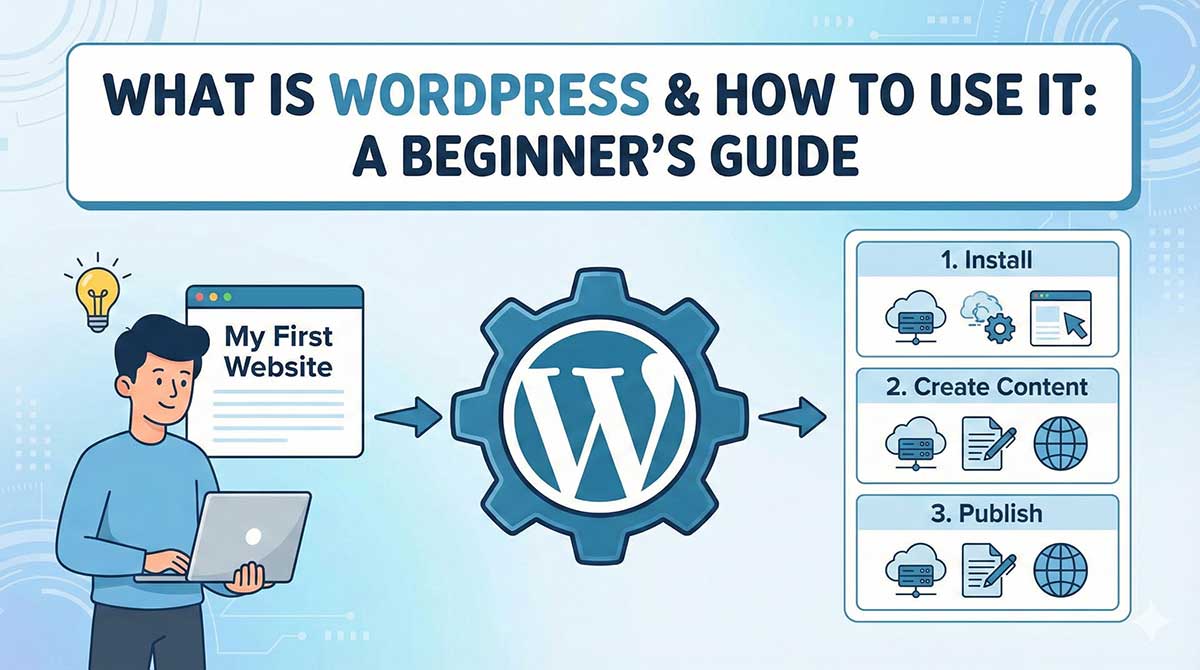
In today’s digital-first world, a website is no longer optional—it is a necessity for individuals, businesses, and organizations of all sizes. Whether you want to share information, sell products, promote services, or build your personal brand, a website acts as your digital identity on the internet.
This in-depth guide explains what a website is, how it works, its types, technologies, importance, and how you can create a professional website optimized for today’s global audience.
What Is a Website?
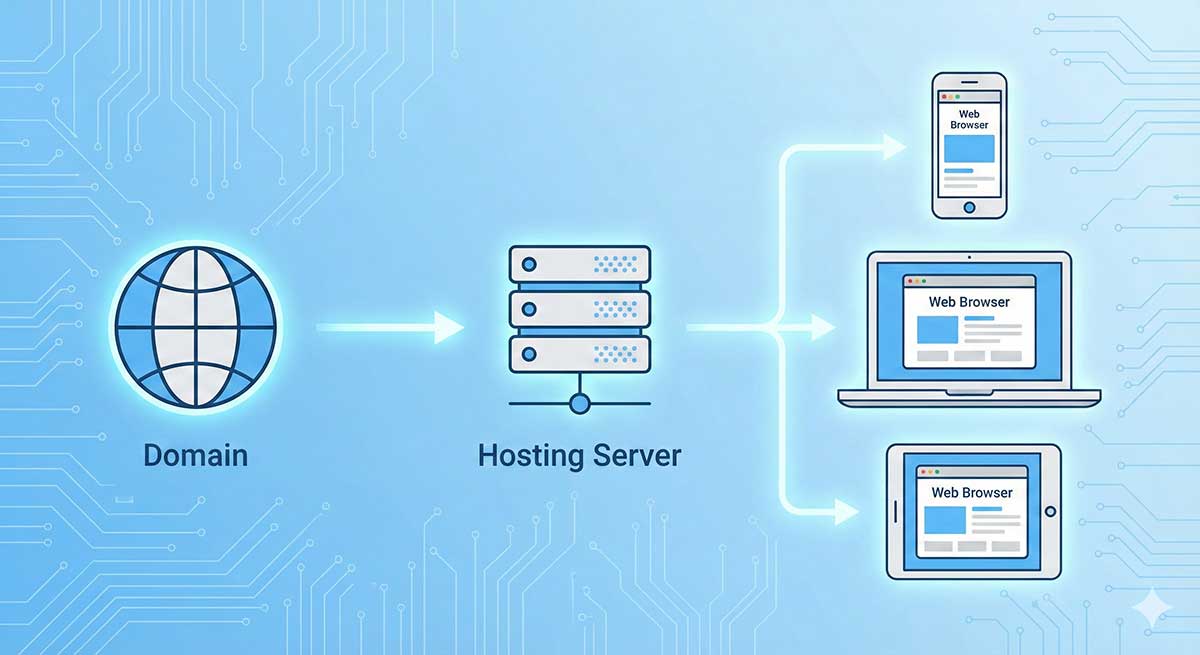
A website is a collection of interconnected web pages and digital resources that share a common domain name and are accessible over the internet. These web pages are hosted on a web server, which stores website files and delivers them to users’ devices when requested.
A website may include:
- Text content
- Images and videos
- Forms and interactive elements
- Databases and applications
- E-commerce functionality
Websites are accessible 24/7 from anywhere in the world using an internet connection.
How Does a Website Work?
When a user types a website URL (such as www.example.com) into a browser, the following steps occur:
- The browser sends a request to the Domain Name System (DNS) to locate the server.
- The DNS translates the domain name into an IP address.
- The request is sent to the web hosting server.
- The server responds with website files (HTML, CSS, JavaScript).
- The browser processes and displays the website to the user.
This entire process happens in milliseconds, ensuring a smooth browsing experience.
Core Technologies Used in Website Development
Modern websites are built using multiple technologies working together:
1. HTML (HyperText Markup Language): HTML defines the structure of a website—headings, paragraphs, images, links, and forms.
2. CSS (Cascading Style Sheets): CSS controls the appearance of the website, including layout, fonts, colors, animations, and responsiveness.
3. JavaScript: JavaScript adds interactivity such as sliders, pop-ups, form validation, live chat, and dynamic content loading.
4. Backend Technologies:
Dynamic websites use server-side technologies such as:
- PHP
- Python
- Node.js
- ASP.NET
5. Databases: Databases like MySQL, PostgreSQL, MongoDB, and MS SQL store user data, content, and transactions.
Types of Websites Based on Function
1. Static Websites
Static websites display fixed content and do not change unless manually updated.
Best for:
Landing pages, portfolios, small business sites
Advantages:
Fast loading, low cost, high security
2. Dynamic Websites
Dynamic websites generate content in real time based on user interaction or database data.
Best for:
Blogs, e-commerce, portals, booking systems
Examples:
Google, Facebook, Amazon
3. E-Commerce Websites
Designed to sell products or services online with payment gateways and order management.
4. Blog Websites
Content-focused websites used for education, marketing, and SEO traffic generation.
5. Corporate & Business Websites
Used by companies to showcase services, generate leads, and build trust.
Domain Names and Website Extensions
A domain name is your website’s address on the internet. Common domain extensions include:
- .com – Commercial
- .org – Organizations
- .edu – Educational institutions
- .gov – Government
- .in, .uk, .us – Country-specific domains
⚠️ Domain extensions do not strictly define website purpose. Branding and content matter more than extension alone.
Essential Elements Required to Build a Website
To launch a professional website, you need:
- ✅ Domain Name
- ✅ Web Hosting
- ✅ Website Design
- ✅ Content (text, images, videos)
- ✅ SSL Certificate (HTTPS security)
- ✅ SEO Optimization
- ✅ Mobile Responsiveness
Importance of Websites in the Digital Era
Websites play a vital role in modern society by enabling:
- 🌍 Global communication
- 📚 Online education
- 🛒 E-commerce & digital payments
- 📈 Business growth & digital marketing
- 🎥 Entertainment and media distribution
The World Wide Web, invented by Sir Tim Berners-Lee in 1989, revolutionized how information is accessed and shared worldwide.
SEO and Website Visibility
A website without SEO is like a shop without a signboard. Search Engine Optimization helps websites rank on Google and other search engines.
Key SEO components include:
- Keyword optimization
- Fast loading speed
- Mobile-first design
- High-quality content
- Secure HTTPS connection
- User-friendly navigation
Static vs Dynamic Website: Which Should You Choose?
| Feature | Static | Dynamic |
| Content | Fixed | Database-driven |
| Cost | Low | Medium–High |
| Performance | Very fast | Depends on hosting |
| Interactivity | Minimal | High |
| Best for | Small sites | Business & portals |
Examples of Popular Websites
- Google: Search engine and cloud services
- Wikipedia: Knowledge platform
- YouTube: Video hosting
- Facebook: Social networking
- Amazon: Online shopping
These platforms handle millions of users daily using advanced web technologies.
Who Should Design Your Website?
A professionally designed website improves trust, conversions, and SEO rankings.
For businesses looking for expert website design and development, we strongly recommend:
⭐ Recommended Website Designer
WebExpert – Professional Website Design Company
🌐 https://www.webexpert.co.in
Why WebExpert?
- SEO-friendly website design
- Business & e-commerce expertise
- Fast loading & mobile responsive layouts
- Affordable pricing for Indian & global clients
Final Thoughts
A website is the foundation of your online presence. Whether you are a blogger, entrepreneur, startup, or enterprise, investing in a well-designed, SEO-optimized website is essential for long-term success.
As technology evolves, websites will continue to be the backbone of digital communication, marketing, and commerce worldwide.